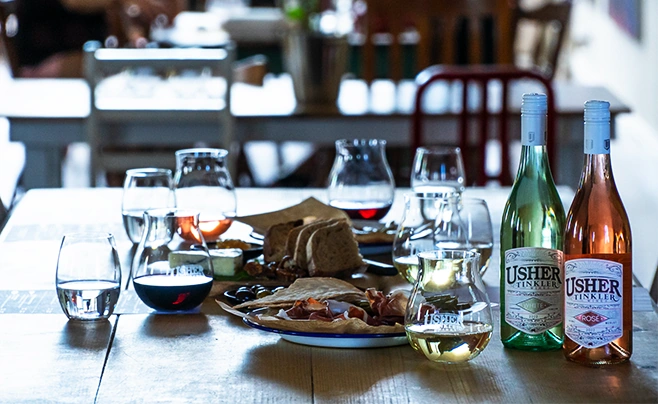
A Beginner's Guide to Usher Tinkler Wines: Hunter …
A guide to who Usher Tinkler is, and what he does best.
Read more




The term "boutique wine" gets thrown around a lot, but it has specific meaning here at Usher Tinkler Wines. We produce small-batch, handcrafted wines that show the quality of our estate grown fruit. Our focus is on producing high-quality, thought-provoking wines that reflect the unique character of the vineyard.
There's no universal legal definition for "old vine," which allows the term to be used loosely across the wine industry. However, the Barossa Old Vine Charter provides useful age classifications that many Australian winemakers reference:
By these standards, Usher Tinkler Wines serves as custodians of both old vines and survivor vines. Our oldest plantings date to 1948, making them 77 years old. Additional parcels planted in 1965 have now reached 60 years of age. These vines have survived multiple decades of varying conditions through careful vineyard management and sustainable farming practices adapted to their specific needs.
Having old vines doesn't automatically guarantee exceptional wine. These vines require expertise and attention throughout the growing season to guide their fruit from vine to bottle. When managed properly, they produce some of the most distinctive estate grown Shiraz in the Hunter Valley.

Grapevines change dramatically as they mature. Young vines (under 10 years) are still establishing their root systems and learning to balance vegetative growth with fruit production. Production increases as vines mature, typically peaking around 15-25 years of age.
After this peak production period, something shifts. As vines continue aging, they develop a significant build-up of permanent wood structure that stores energy used each year to support growth and ripening. A more developed root system gives the vine greater resilience when facing large swings in seasonal conditions.
Eventually, vine production begins to decline. The vine produces fewer shoots, smaller canopies, and lower yields. However, the fruit that does develop ripens with more intense flavor and greater site expression. This happens because reduced vigor creates a better balance between fruit and foliage. Fewer leaves and shoots competing for the vine's energy allows more concentration in the grapes themselves. This reduced yield combined with increased flavor intensity is the defining factor in why old vine Shiraz sells at premium prices.
Vines only reach these advanced ages at the best sites. Poor sites get replanted long before vines hit 50 or 60 years. The fact that old vine parcels exist at all indicates the site has consistently produced quality fruit worth preserving through multiple generations of farming.
The increased concentration in old vine fruit shows up clearly in the finished wine. Flavors are more intense and complex, and the impact of site and vintage are far clearer.
Old vine Hunter Valley Shiraz expresses site and vintage characteristics more clearly than young vine fruit. The wine tastes distinctly like the place it came from rather than showing generic Shiraz character. This terroir expression is what collectors and enthusiasts seek in premium Australian wine.
The intensity difference becomes obvious when tasting old vine and young vine Shiraz side by side. Old vine wines show darker fruit concentration, more complex secondary characteristics, and longer finish. Young vine wines can be delicious and vibrant, with bright fruit and good structure. They simply rarely achieve the same depth and complexity that comes from decades of vine maturation.
We farm three distinct old vine Shiraz sites, each producing fruit that goes into different wines in our range.
Old Vine Shiraz Vineyard (Planted 1948)


As a wine drinker, the old vine versus young vine decision comes down to flavor intensity and cellaring potential.
Choose old vine Hunter Valley Shiraz when you want incredible site expression and a wine worthy of cellaring. These wines show more complexity in youth and develop additional nuance over 5 to 10 years in proper storage. The concentration and structure allow them to age gracefully, evolving from primary fruit characteristics into more savory, integrated expressions.
Young vine Shiraz serves a different purpose in your wine collection. These wines are typically more affordable, show bright fruit flavors, and work well for everyday meals. They can be excellent for immediate drinking and casual enjoyment.
Some of the oldest grapevines in the world grow in Australia, producing the most premium Australian red wine available. Having access to fruit from these survivor vines is a privilege that comes with responsibility to steward them properly.
Economics alone would suggest replanting our old vine parcels with younger, higher-yielding vines. Production would increase, farming would be easier, and profitability would improve in the short term.
We choose not to.
These old vine parcels hold significant places in both the history of Usher Tinkler Wines and the Hunter Valley wine region. The decision to focus on quality and expression over yield creates the distinction between a true vigneron and someone who is simply a winemaker managing production.
Over their lifetime, these vines have produced premium Hunter Valley wines. With proper care, they'll continue thriving into the future, potentially reaching centurion status (100+ years) and eventually ancestor status (125+ years). Very few wine regions globally can claim such continuity of heritage.
Our winemaking philosophy centers on allowing the vineyard to express itself. With old vine fruit, this becomes even more important.
Old vine Shiraz is handled gently and carefully throughout the winemaking process. The concentration and structure of the fruit itself carries the wine, requiring minimal intervention or addition. We avoid over-extraction during fermentation, use restrained oak influence, and let the wine develop at its own pace.
Young vine fruit often needs more winemaking input to create structure and complexity. You might use more new oak, longer maceration times, or specific yeast strains to build the wine. Old vine fruit already has structure and complexity built in. The winemaker's job is to preserve what's there rather than create what's missing.
This approach allows us to produce premium Hunter Valley Shiraz year after year. The wines express their vintage and site clearly, showing what Pokolbin can achieve when you have the patience to work with vines that have survived multiple generations.
Understanding old vine Shiraz helps you appreciate what's in the glass, but tasting remains the best education. Our cellar door offers guided tastings where you can experience Tinkemans, Reserve, and Rebirth Shiraz side by side, comparing how different winemaking approaches showcase old vine fruit.
You can also explore our Shiraz range online, with detailed tasting notes explaining what each wine offers. For those building serious collections, consider joining The Society for early access to limited releases and allocation of small-batch wines like Reserve Shiraz.
Because when you're drinking wine from vines planted before you were born, there's a story in every glass worth savoring.
What makes old vine Shiraz worth the higher price?
Old vines produce significantly lower yields than young vines, often 30 to 50% less fruit per hectare. To remain economically viable, wineries must charge more per bottle. However, the quality justifies the premium. Old vine fruit shows greater concentration, complexity, and aging potential. You're paying for intensity and site expression that simply can't be achieved with younger vines.
Can you taste the difference between old vine and young vine Shiraz?
Yes, especially when tasting them side by side. Old vine Shiraz typically shows darker fruit concentration, more integrated tannins, greater complexity, and longer finish. Young vine Shiraz can be delicious with bright fruit and good structure, but it rarely achieves the same depth. The difference becomes even more apparent as wines age in the bottle.
How long can old vine Hunter Valley Shiraz age?
Premium old vine Shiraz from excellent vintages can age 10 to 20 years or more in proper storage conditions. Our Tinkemans Shiraz and Reserve Shiraz are both built for medium to long-term cellaring (5 to 15 years). Rebirth Shiraz, despite using old vine fruit, is made in a style meant for earlier drinking (2 to 5 years) due to the minimal intervention winemaking approach.
Do all old vines produce better wine?
Age alone doesn't guarantee quality. Old vines at poor sites or poorly managed vineyards won't produce exceptional wine. The combination of excellent terroir, proper vineyard management, and winemaking expertise is what makes old vine wines special. The fact that vines have survived to old age usually indicates the site is worth preserving.
A guide to who Usher Tinkler is, and what he does best.
Read more