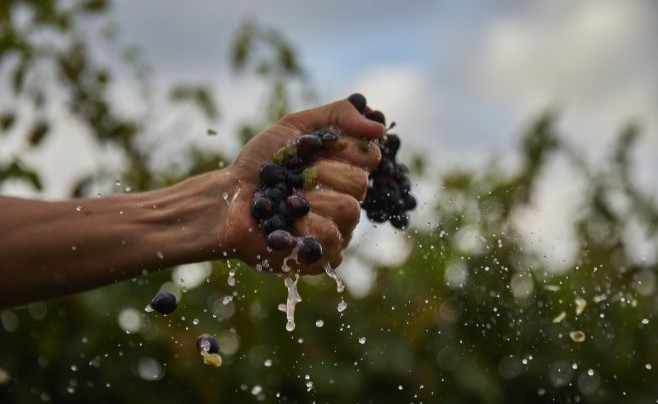
Old Vine vs Young Vine Shiraz: What Actually Chang…
Old vine Hunter Valley Shiraz tastes different. Find out why vine age creates intensity, complexity, and structure that young vine fruit can't match, and when it matters in your glass.
Read more


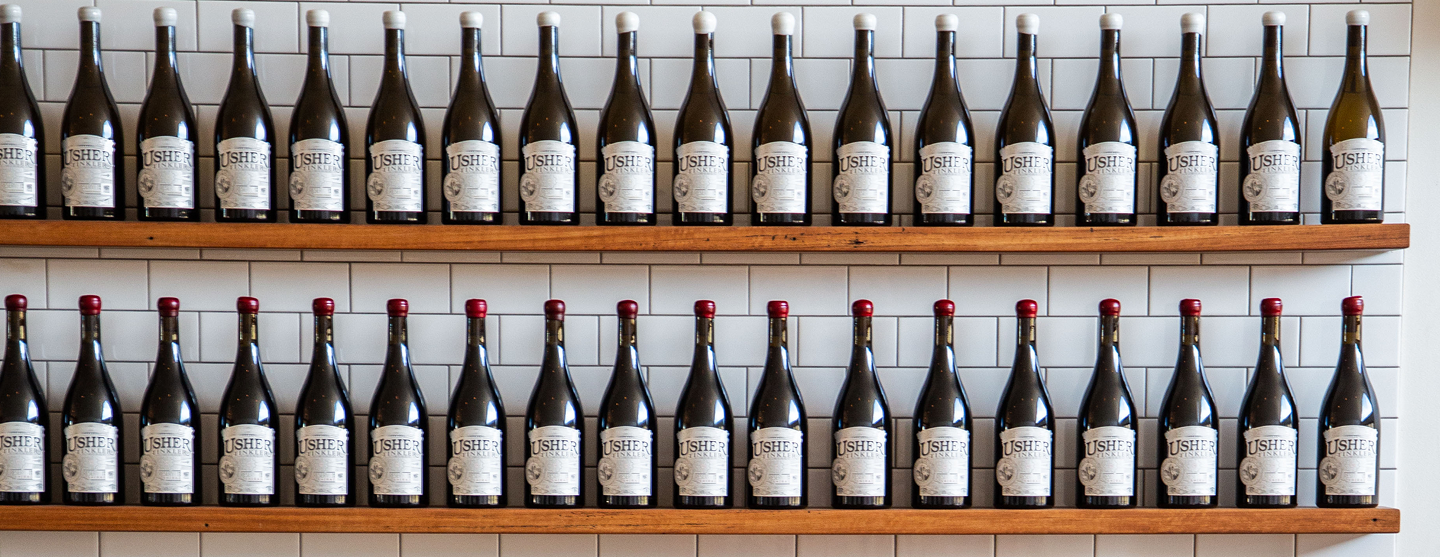
The Hunter Valley has no shortage of wineries, but few tell a story quite like Usher Tinkler Wines. This is a place where three generations of farming knowledge meet boundary-pushing winemaking, where historic vineyards planted decades ago produce wines that challenge convention, and where a renovated 1905 church serves as the cellar door for some of the region's most thought-provoking premium Australian wines.
If you're looking to understand what makes our boutique Hunter Valley wines special, or you're simply curious about a winery that refuses to make boring wine, this is your introduction to Usher Tinkler Wines.

The history of Usher Tinkler Wines spans three generations of farming and boutique winemaking in the Hunter Valley, a legacy that began with Usher's grandparents over 100 years ago. The story runs through The Dairyman, The Cattleman, and The Winemaker, all sharing the same name and an unwavering connection to the land.
Usher Gordon formed a partnership with his two sons, Usher William and Ian Geoffrey, planting 35 hectares of vines with a focus on producing premium, boutique Hunter Valley wines. The family has always followed conservation farming practices to preserve and benefit the unique soil and environmental quality. This respect for the land and history of the Hunter Valley was passed onto Usher John Tinkler, the son of Usher William.
Usher John's winemaking credentials speak for themselves. He was selected as a Len Evans Tutorial Scholar, won the Wine Society Young Winemaker of the Year, the Hunter Valley Rising Star of the Year, and has been a finalist for the Hunter Valley Winemaker of the Year on three separate occasions.
Usher Tinkler Wines was founded by its namesake in 2015, born through his desire to forge his own distinct style of winemaking. Starting the business with his then-wife, Ebony, the aim was to produce premium and boutique Hunter Valley wines that were "disruptive and progressive."
Ten years on and Usher Tinkler Wines has become one of the most exciting and progressive boutique wineries the Hunter Valley has to offer. With the cellar door operating out of the original Church of Pokolbin, the team showcases a diverse range of wines grown and produced entirely on the estate in Pokolbin, New South Wales. Looking ahead, Usher hopes to continue producing thought-provoking premium Australian wines that show the Hunter Valley in a new light.
Understanding Usher Tinkler Wines requires understanding the philosophy behind every bottle. We believe that true winemaking includes the growing of the grapes and have developed our own sustainable farming methods to ensure a healthy future for our land, the environment, and our business.
Rather than pursuing organic certification, we've adopted the principles of organic farming and adapted them to best suit our soils, vines, climate, and seasonal conditions. Each season is different; there is no one formula when it comes to viticulture and winemaking. Our focus on producing handcrafted Hunter Valley wines ensures quality throughout the entire process.
Our wines are made only using the grapes we grow. Keeping each day's harvest separate in our simple winery setup helps maintain only the highest quality. It's important to allow the true characters of the fruit to shine through, which is why we've adapted a minimal intervention approach. Additions are only considered if the fruit is in poor condition, or after extreme growing seasons. By growing all our own grapes, we have full control over the vines throughout the entire growing cycle.
All wines produced by Usher Tinkler Wines are sustainably farmed and vegan certified, reflecting our commitment to quality and environmental responsibility.

Usher Tinkler Wines produces several ranges, each with its own purpose and personality. Here's how to understand what each range represents and which wines you'll find within them.
According to natural wine educators at Wine Folly, skin contact white wines (often called orange wines) have been made for thousands of years but are experiencing a modern renaissance. The technique adds phenolic structure, deeper flavours, and a completely different texture compared to conventional white winemaking.
For old vine Semillon like what we farm at Usher Tinkler Wines, both approaches showcase the fruit's intensity and concentration, just through radically different lenses.
The UTW Range (short for Usher Tinkler Wines) takes fruit from premium, old-vine sites and uses it to produce a range of boutique blends designed to be drunk young and fresh. These wines are bright, vibrant, and drink at their best in the first six years of their life.

The Reserve Range is a small-batch release of premium, old-vine Shiraz and Chardonnay. These wines are extremely limited, only being produced in exceptional years, and crafted from only the best barrels.
These are wines for special occasions or for cellaring. They represent Hunter Valley winemaking at its most refined.
These wines are handled minimally throughout the winemaking process and have no additions made. Usher Tinkler is one of the pioneers of this style of winemaking being used on premium Hunter Valley fruit. Each of these wines is bottled without fining or filtration and features little to no preservatives.
Only being produced in exceptional years in the Hunter Valley, these wines are boutique representations of single vineyards. Each tells the story of a specific piece of land and the vines that grow there.


What makes Usher Tinkler Wines different from other Hunter Valley wineries?
Every wine we make comes from grapes we grow ourselves on our estate in Pokolbin. That estate-only approach, combined with three generations of farming heritage and Usher's international winemaking experience (including five vintages in Burgundy), gives us a perspective that few in the region can match. We also produce across a broader range of styles than most boutique wineries, from classic Hunter Valley Semillon to minimal intervention natural wines, all from the same patch of land.
What types of wine does Usher Tinkler make?
Our range covers a lot of ground. The UTW Range offers approachable blended whites, rosé, and reds for everyday drinking. The Reserve Range is our limited-release premium Chardonnay and Shiraz, produced only in exceptional years. Our Minimal Intervention wines (Death by Semillon, Rebirth Shiraz, and A.W.P.B.F.M.) are natural and unfiltered. The Single Vineyard range spotlights specific estate sites through Semillon, Chardonnay, and Pinot Noir. We also make La Volpe Prosecco, Enneagram sparkling rosé, and Mr T's Rare Batch fortified Verdelho. All wines are estate-grown, sustainably farmed, and vegan certified.
Where is Usher Tinkler Wines located?
We're at 97 McDonalds Road, Pokolbin, in the heart of the Hunter Valley, about 160 kilometers north of Sydney. Our cellar door operates out of the original 1905 Pokolbin Church and is open seven days a week. Bookings are recommended, particularly on weekends.
The Hunter Valley offers more than just a wine region. It provides an education in approachability, quality, and the joy of discovery. The wines here are made to be enjoyed, not just collected. The winemakers are innovators who respect tradition while pushing boundaries. And the experience is designed to welcome you in, regardless of your wine knowledge level.
For beginners, there's no better place to start understanding Australian wine. The region offers a strong sense of history alongside a drive for innovation, and a winemaking philosophy that values drinkability and expression over trends.
Usher Tinkler represents the best of what Hunter Valley offers. Our approach combines authentic winemaking rooted in generational farming knowledge with an adventurous spirit that refuses to make boring wine.
Ready to explore? Discover Usher Tinkler's range of Hunter Valley wines and start your tasting journey today. Because the best way to learn about wine is by drinking it rather than just reading about it.
Old vine Hunter Valley Shiraz tastes different. Find out why vine age creates intensity, complexity, and structure that young vine fruit can't match, and when it matters in your glass.
Read more